
Bonding vs. veneers in Westchester depends on tooth health, bite, and how much the appearance needs to change. Bonding is often the more conservative option for a small chip or shape correction, while porcelain veneers suit broader changes to the visible surface of suitable teeth. For Westchester patients, the deciding factors are tooth health, bite, appearance goals, and how much ongoing maintenance you are willing to commit to.
- Choose between bonding and veneers based on tooth health, bite, and how much the appearance needs to change.
- Composite bonding suits localized corrections but can stain, wear, and chip over time.
- Porcelain veneers resist staining better than composite but usually require removing some enamel.
- An examination should come before choosing treatment at TAVA Dental NY in West Harrison.
Why this matters
A small chip and a smile-wide color concern do not call for the same plan. Choosing a restoration before checking the cause of the problem can overlook decay, gum inflammation, or bite pressure. Choosing a cosmetic dentist Westchester residents trust starts with an examination. Start a new-patient visit by describing your concerns and dental history. If it has been a while since your last visit, our guide to returning to a dentist after years away explains what to expect.
Tava Dental NY serves patients in West Harrison NY and Harrison NY. The West Harrison office is led by Dr. Chantal Tavarez and offers cosmetic dentistry alongside cleanings and restorative care for local families and new patients.
Bonding vs veneers Westchester
Choose bonding when the correction is limited and your dentist confirms that adding composite resin will address it without creating an unfavorable shape or bite. Consider porcelain veneers when you want a more extensive change to the front surfaces of teeth and accept the preparation and long-term maintenance involved.
In this guide, “bonding” means direct composite bonding, and “veneers” means porcelain veneers. Composite can also be used to make veneers, so ask your dentist which material is proposed and how the procedure would work.
| Treatment | Best for | Main advantage | Main limitation |
|---|---|---|---|
| Direct composite bonding | Localized chips, small shape changes, or selected gaps | Often requires less tooth removal than veneers, depending on the tooth | Can stain, wear, or chip; polishing and repairs may be needed |
| Porcelain veneers | Broader changes to visible tooth shape and color | More resistant to staining than composite, with a planned change across the treated surface | Usually requires removing some enamel, so the change is generally irreversible |
Neither option strengthens every damaged tooth or corrects every alignment problem. A tooth with substantial decay, a deep crack, or limited remaining structure needs a restorative assessment before any cosmetic decision.
Composite bonding: best for localized corrections
Dental bonding West Harrison patients ask about most often is a small chip or shape correction. Composite bonding uses tooth-colored resin shaped directly on the tooth and hardened with a curing light. Your dentist adjusts the contour and checks how the treated tooth meets the opposing teeth.
When comparing bonding vs veneers Westchester patients should first ask what the examination shows about the tooth, then which treatment fits the goal.
Composite bonding Westchester dentists offer is often the first option for localized corrections. For a small edge chip, bonding can rebuild the missing contour without covering the entire front surface. It can also change the outline of a tooth or close a selected gap when the resulting proportions and bite remain appropriate.
The advantage is conservative correction; the trade-off is ongoing surface maintenance. Does dental bonding stain? Yes. Composite can pick up stains and lose its polish, and it often needs touch-ups sooner than porcelain. Repairs are often possible, but repeated chipping deserves a check of the underlying cause rather than repeated patching alone. Our cosmetic work page describes the options available at the office.
Ask where the resin will sit and whether your bite places pressure on that area. Adding material to a tooth edge creates a different mechanical situation from smoothing a shallow defect on its front surface. Bonding is not fully reversible, so ask exactly what will change on your tooth before treatment begins.
Porcelain veneers: best for broader surface changes
Porcelain veneers West Harrison patients consider are thin restorations bonded to the visible surfaces of teeth. They can change shape and color, but the dentist must assess enamel, existing restorations, gum health, and bite before recommending them.
Porcelain is generally more resistant to staining than composite resin. That benefit does not make veneers maintenance-free: the underlying tooth can still develop decay, and the surrounding gums still need daily cleaning and professional care.
The advantage is a planned change across the treated surface; the trade-off is a long-term restorative commitment. Do veneers require removing enamel? Conventional veneers usually involve removing some enamel, so the change is generally irreversible. A broken veneer can require replacement rather than a simple polish.
Some teeth need less preparation than others, but that depends on the tooth and the goal. Ask how much enamel, if any, would be removed on each tooth and why. You should also understand how the final shape affects speech, lip comfort, and cleaning between teeth. If you are missing a tooth rather than changing its surface, ask about dental implant options instead.
Why the right choice varies
Patients across Westchester County who work with a cosmetic dentist should expect the same examination first. The best choice depends on the tooth in front of the dentist. These factors explain why different patients receive different recommendations:
- Amount of damage: A small enamel chip differs from a fracture involving deeper tooth structure. The diagnosis determines whether a cosmetic repair is appropriate.
- Size of the desired change: A localized contour adjustment requires a different plan from changing several visible tooth surfaces.
- Available enamel: Enamel condition influences preparation and bonding decisions. Existing fillings also affect the treatment surface.
- Bite and grinding: Repeated pressure on an edge or restoration can contribute to damage. The plan should address those forces.
- Gum health and cleaning access: Inflamed gums and areas that trap plaque need attention before final cosmetic decisions.
- Maintenance preferences: Composite and porcelain have different repair pathways. Ask what happens if the restoration chips, stains, or needs replacement.
Your preferences matter within these clinical limits. Tell the dentist whether you prioritize preserving tooth structure, changing color, correcting a particular edge, or keeping future repairs straightforward.
How long do veneers last?
How long do veneers last depends on bite, habits, and the restoration itself. Porcelain veneers can last many years with regular cleanings, a plan for grinding, and prompt attention to chips. Composite bonding often needs repairs sooner than porcelain. Ask your dentist what to expect for your specific teeth.
What should you ask at your first consultation?
A cosmetic consultation should connect your goal to a diagnosis. Bring a short description of what bothers you, when it started, and whether you have pain, sensitivity, or a history of repairs. If you are considering a new-patient visit, review what to expect beforehand.
- Describe the goal. Point to the specific tooth or feature rather than requesting a material immediately. Explain whether the concern is shape, color, a gap, or damage.
- Review tooth health. Ask whether decay, gum inflammation, or an existing restoration changes the options. X-rays depend on clinical need, not simply on a cosmetic request.
- Check the bite. Mention grinding, clenching, and previous chips. Ask whether the proposed change will receive pressure when you bite or move your jaw.
- Compare preparation. Ask what natural tooth structure would be altered with each suitable approach. Request a plain-language explanation before agreeing.
- Discuss upkeep and cost. Ask how cleaning, polishing, repairs, and replacement would work. Request a written estimate that lists the teeth, materials, and follow-up.
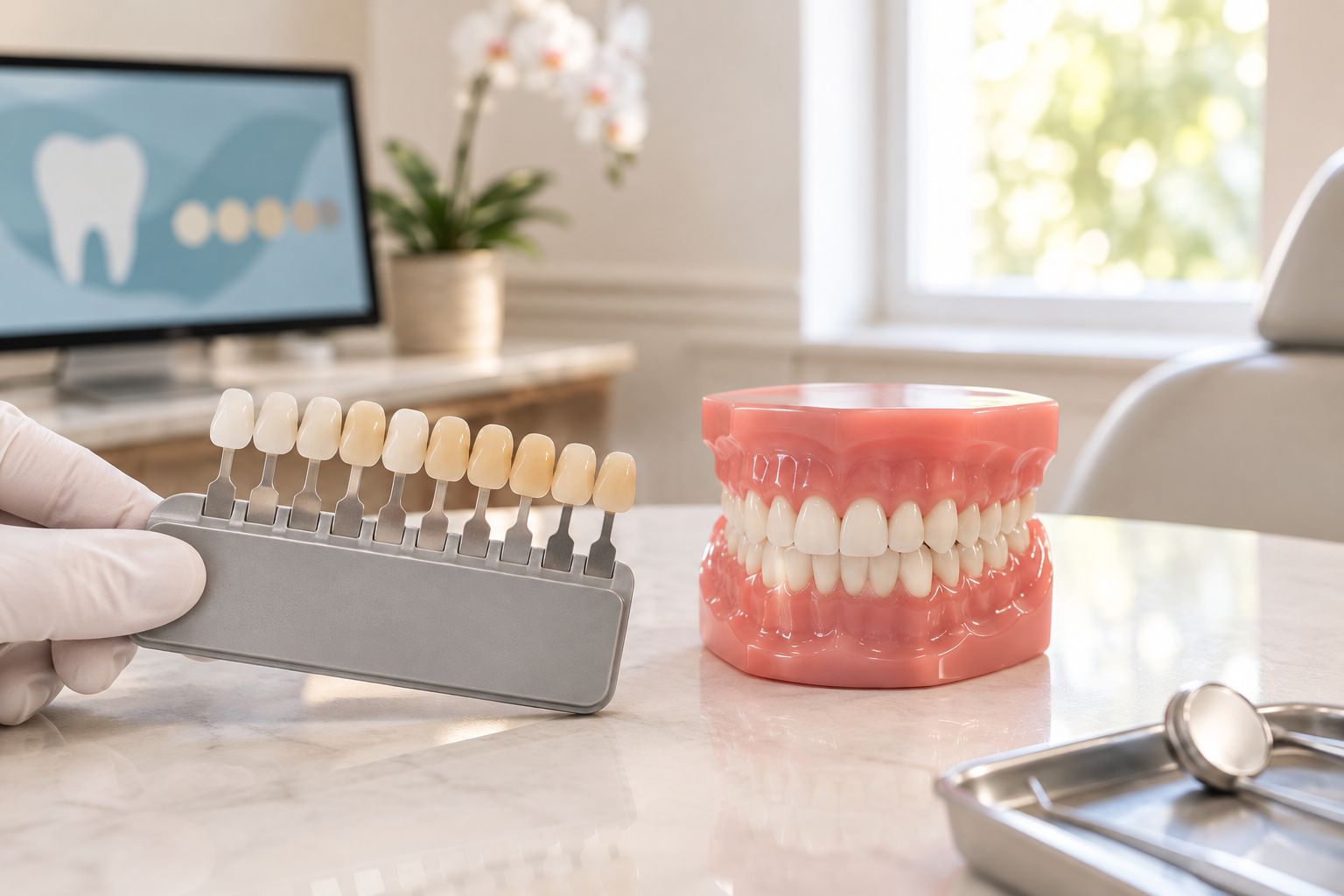
You can also ask whether a preview or mock-up is appropriate. A preview helps discuss shape, but it is not a guarantee of the final result.
If dental visits make you anxious, say so when requesting the appointment. Ask how the examination will proceed and agree on a way to pause. You can discuss treatment without committing to a procedure that day.
Does a chipped tooth always need a veneer?
A chipped tooth does not automatically need a veneer. Depending on the depth and location of the damage, a dentist might recommend smoothing a minor rough edge, bonding, or another restoration. The same distinction applies to restorative dentistry in general: replacing a small missing edge is different from covering a broader tooth surface. A larger restoration should have a clinical reason, not simply look more complete.
Report pain, lingering sensitivity, or a change in how the tooth meets its opposing tooth. If the chip followed an injury, tell the dentist when it happened and what struck the tooth.
Do not choose a veneer solely because a tooth looks chipped in a photograph. A photograph cannot establish crack depth, nerve health, or whether the remaining tooth supports the proposed restoration.
Can bonding or veneers replace routine dental care?
Neither treatment replaces cleanings, examinations, or home care. Cosmetic restorations change part of a tooth; they do not prevent gum disease or decay elsewhere in the mouth.
Brush for 2 minutes, twice daily, using fluoride toothpaste, and clean between your teeth daily. The American Dental Association’s MouthHealthy site offers general guidance on daily care. Ask your hygienist to show you how to clean around the contours of your restoration.
A cosmetic procedure is not a reason to skip preventive visits. Discuss a recall schedule based on your dental health and risk factors.
Avoid using your teeth to open packaging or bite hard objects. If grinding or clenching contributed to damage, ask how it will be managed before investing in a new restoration.
What should you know about insurance and treatment planning?
Insurance coverage depends on your plan and the reason for treatment. A procedure performed solely to change appearance can be handled differently from repairing damage, so ask the office and your insurer to review the proposed procedure rather than assuming coverage. Confirm your benefits before booking.
Request a written treatment plan that identifies the teeth, materials, preparation, and expected follow-up. Ask what happens if the examination reveals a problem that needs treatment before cosmetic work begins. You do not have to address every concern at once. Ask which care protects tooth health, which changes are elective, and whether treatment can be planned in stages.
Patients from White Plains cosmetic dentistry offices often ask about the same choice. If you live in Harrison, White Plains, or elsewhere in Westchester, start by describing your concerns and requesting an examination. Dr. Tavarez can review your options before any treatment is chosen.
Plan your first dental visit
Discuss tooth health, cosmetic goals, and ongoing care at the West Harrison office.
FAQ
Bonding vs veneers which is better?
Composite bonding is often the more conservative option for a small front-tooth chip when the remaining tooth and bite support it. Veneers are generally considered for broader changes to the visible surface. A dentist must check the damage before deciding which is appropriate.
Do veneers require removing enamel?
Conventional porcelain veneers usually involve removing some enamel, which makes the treatment generally irreversible. Ask how much preparation your specific teeth need and why a less invasive approach would or would not work.
Does dental bonding stain?
Composite bonding can stain and lose surface polish over time. Your dentist can assess whether polishing, repair, or replacement is appropriate for the affected area.
How long do veneers last?
Porcelain veneers can last many years with regular cleanings, a plan for grinding, and prompt attention to chips. Lifespan varies with bite and habits. Composite bonding often needs repairs sooner than porcelain.
Can I get bonding or veneers if I grind my teeth?
Grinding must be assessed before choosing bonding or veneers because repeated forces can damage restorations. Tell your dentist about clenching, previous chips, and any appliance you already use.
Do I still need cleanings after getting veneers?
Yes. The supporting teeth remain vulnerable to decay, and the gums need the same ongoing attention as gums around untreated teeth.
Will dental insurance cover bonding or veneers?
Coverage depends on your insurance plan and the clinical reason for treatment. Request a review of the proposed procedure and your benefits before agreeing to care.
Where is Tava Dental NY located?
Tava Dental NY is located in West Harrison, New York, and is led by Dr. Chantal Tavarez. The practice offers general, cosmetic, and restorative dental care to local families and new patients in Westchester County.
One last thing
Ask what would happen if you left the cosmetic concern untreated. A healthy tooth with a shape you dislike presents a different decision from a fractured tooth that needs protection. That question separates an elective change from necessary care and keeps your treatment plan focused on your priorities.
Related guides
“`


