

To plan a calmer dental visit in Harrison, NY, tell the office what worries you before booking, ask what the first appointment will involve, and agree on a signal for a pause. A comfort plan helps you communicate, but it does not replace an examination or establish which treatments are appropriate for you.
- Searching dentist Harrison NY dental anxiety? Ask about the first visit before booking.
- Tava Dental NY provides family dental care in West Harrison; discuss your concerns before requesting an appointment.
- Agree on a pause signal and ask for explanations before unfamiliar steps.
- Ask about any specific comfort option rather than assuming an office provides it.
Why this matters
Dental anxiety can make an ordinary appointment feel difficult before you reach the chair. You do not need to hide that feeling or wait until you feel completely comfortable to ask questions. The useful starting point is identifying what makes the visit hard: discomfort, sounds, uncertainty, embarrassment, or a previous experience.
Tava Dental NY is a fit for Harrison-area patients seeking ongoing family dental care in West Harrison. The practice, led by Dr. Chantal Tavarez, offers cleanings and general, cosmetic, restorative, and emergency dental care. You can review Tava Dental NY before asking how the office can address your particular concerns.
For an appointment in 2026, focus on the visit you need now rather than trying to solve every future dental decision. Start with a clear description of your concerns and a request for an explanation of the proposed next step.
How can you plan a calmer dental visit in Harrison, NY?
Tell the office about your anxiety before the appointment, then make a specific communication plan. Saying that you are nervous is helpful; explaining what triggers that nervousness gives the dental team more useful information.
Use this 2026 appointment-planning checklist when you call:
- Name your concern. Explain whether your main worry is discomfort, gagging, sounds, needles, feeling confined, or being judged about your teeth. You do not have to describe a difficult past experience in detail.
- Describe your current symptoms. Mention pain, swelling, a broken tooth, bleeding, or difficulty chewing. The office needs this information when advising you about the appointment.
- Ask what is planned. Find out whether the visit is intended for an examination, cleaning, discussion, or evaluation of a specific problem. Do not assume every new-patient appointment follows the same sequence.
- Discuss communication. Ask whether the dentist can explain unfamiliar steps before beginning and agree on a hand signal for a pause. Clarify how the team will respond when you use it.
- Confirm preparation. Ask what records, medication information, and insurance details to bring. Follow instructions specific to your appointment rather than advice intended for a different procedure.
Keep your notes short enough to use during the call. A useful note identifies your main worry, your current symptoms, and the question you need answered before you feel ready to book.
What should you say when you call?
You can tell the office that you want to establish regular dental care but feel anxious about a particular part of the visit. Then ask what the first appointment usually involves and whether your concern can be included in the appointment notes.
Be specific about what has helped previously. For example, you might prefer explanations before instruments enter your mouth, or you might find detailed descriptions unsettling. The goal is not to request a perfect visit; it is to help the team understand your preferences.
Which first-visit discussion fits your concern?
Different concerns need different conversations. Use the table to decide what to ask about, not to choose your own diagnosis or treatment.
| Discussion approach | Best for | Main benefit | Limitation |
|---|---|---|---|
| Review the appointment sequence | Uncertainty about what happens next | Makes the proposed steps clearer | Does not determine treatment before an examination |
| Explain unfamiliar instruments | Anxiety about equipment or sounds | Connects an unfamiliar object with its purpose | Some patients prefer less detail |
| Agree on pauses and a hand signal | Worry about communicating during care | Gives you a clear way to request a stop | The team must explain how to pause safely |
| Discuss discomfort and pain control | Concern about sensitivity or a procedure | Opens a treatment-specific conversation | Appropriate options depend on your health and planned care |
Choose the discussion that addresses your actual concern, not the longest list of comfort requests. If sounds bother you but explanations help, say both. If you would rather hear only the essential steps, that preference also belongs in the conversation.
Ask whether a requested adjustment is workable before relying on it. Headphones, a support person, or a particular appointment arrangement need confirmation from the office; they are not automatic features of dental care.
What happens when you arrive feeling nervous?
Tell the person checking you in that you discussed anxiety when booking. If your concern has changed, explain that too. A note made earlier is a starting point, not a substitute for telling the treating clinician how you feel that day.
Before care begins, review your pause signal and ask the clinician to explain the planned first step. This is also the time to mention a sensitive tooth, a gag reflex, trouble reclining, or another issue that affects how you tolerate the appointment.
If seeing an instrument would help, ask the clinician to show it before using it. A dental mirror lets the clinician view areas of your mouth that are difficult to see directly; understanding its purpose is different from needing a detailed explanation of every instrument.
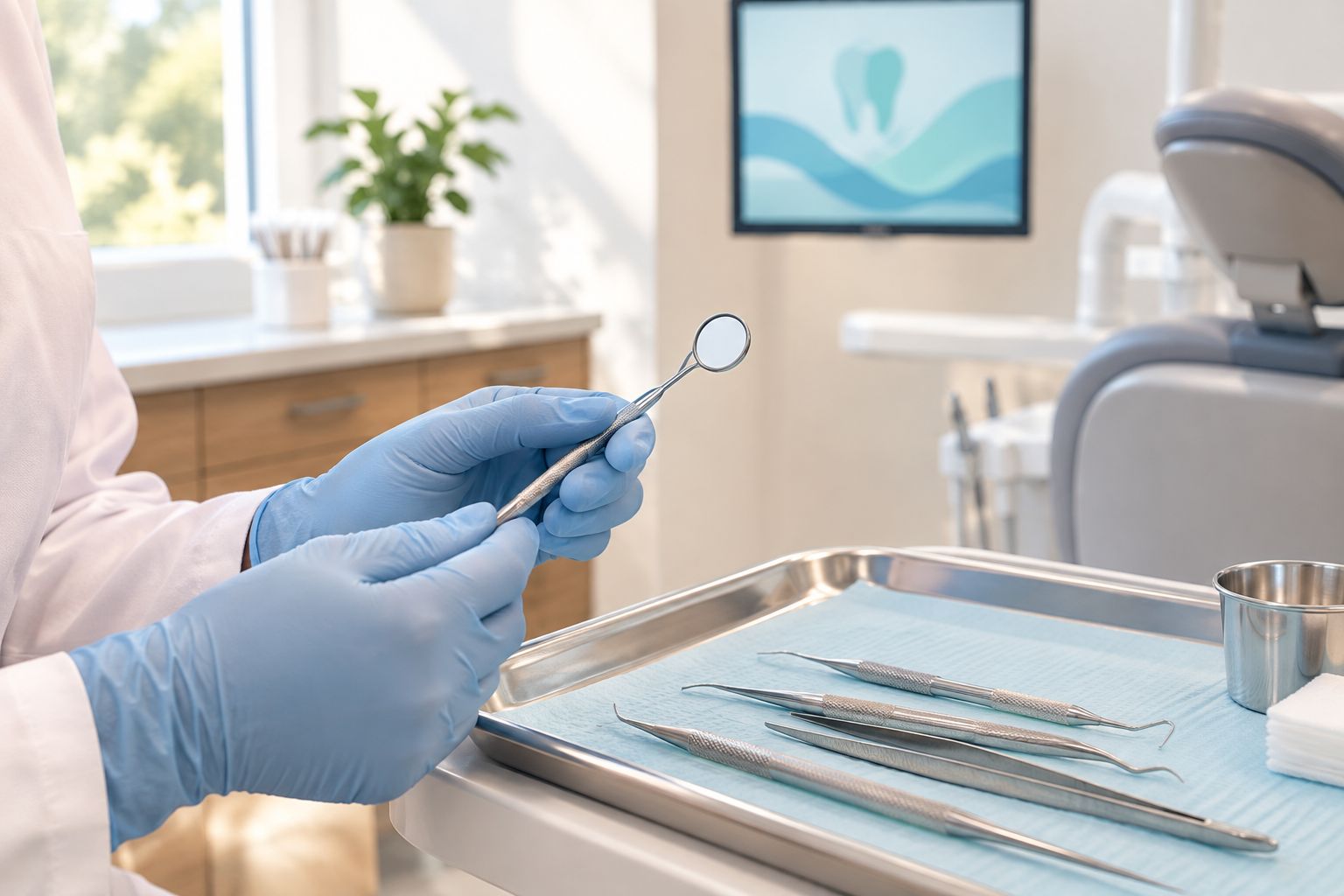
You can change your mind about how much explanation you want. Ask for less detail if descriptions increase your worry, or request a brief explanation if uncertainty feels harder. Neither preference makes you a difficult patient.
Why dental anxiety varies from person to person
Dental anxiety is not a single experience. When planning care in 2026, describe the part that affects you rather than assuming the dentist will know what being nervous means for you.
- Previous experiences: A difficult appointment can influence what you expect now. Explain the part you want handled differently without feeling obliged to retell the whole event.
- Uncertainty: Not knowing whether an appointment includes treatment can be unsettling. Ask about the intended visit and how additional recommendations will be discussed.
- Physical sensations: Sensitivity, gagging, sounds, or reclining can affect comfort. Tell the clinician which sensation concerns you before it becomes difficult to tolerate.
- Communication: Being unable to speak while your mouth is open can feel uncomfortable. A clearly agreed pause signal gives you another way to communicate.
- Embarrassment: Time away from dental care or concern about your teeth can make booking harder. Focus the discussion on your current needs and the next appropriate step.
- Practical uncertainty: Questions about insurance, appointment arrangements, or a proposed treatment can add to stress. Separate administrative questions from clinical questions so each reaches the right person.
You do not need a formal label for your anxiety to discuss it. Describe what happens and what you need clarified. That information is more useful than apologizing for feeling nervous.
Should you ask about sedation for dental anxiety?
Sedation is a separate clinical discussion, not an automatic part of an anxiety-friendly appointment. Ask whether the office offers the specific option you have in mind and whether it is appropriate for your health history and proposed procedure. Do not assume availability from general descriptions of gentle care.
Tell the dentist about prescription medicines, over-the-counter medicines, supplements, allergies, and relevant medical conditions. Do not take someone else's medication, use alcohol to manage appointment anxiety, or change prescribed medication without instructions from the appropriate clinician.
Questions about pain control also deserve a direct conversation. Local anesthesia and sedation serve different purposes; ask what a proposed option does, what it does not do, and what preparation or aftercare it requires.
For a 2026 appointment, follow the instructions supplied for your actual treatment. Generic advice about eating, drinking, driving, or bringing someone with you is not a replacement for those instructions.
What if you have not seen a dentist in years?
A long gap does not tell you which treatment you need. An examination, your symptoms, and any appropriate records or imaging guide that decision. Tell the office when you last received care as accurately as you can, without treating the gap as something you need to defend.
Bring any records you already have and ask how previous dental information should be transferred. If you cannot remember past treatment details, say so rather than guessing. A current medication list is also useful.
Ask the dentist to separate findings from decisions. First understand what was found, then ask which concerns need attention promptly, which have alternatives, and what the proposed plan involves. You do not need to arrive knowing the treatment names.
How do you keep one visit from becoming another long gap?
Before leaving, ask what the next visit is for and how the recommended timing relates to your dental health. A follow-up plan should make sense to you. Ask for clarification if you cannot explain the next step in plain language.
Make a brief note of what helped and what did not. Perhaps advance explanations were useful but detailed instrument descriptions were not. Bring that information to your next appointment instead of starting the comfort conversation from scratch.
At home, maintain the brushing and cleaning-between-teeth routine your dental clinician recommends. If sensitivity or bleeding makes that difficult, ask for advice rather than simply stopping. Home care supports ongoing dental health but does not replace an examination when something concerns you.
FAQ
How do I find a dentist in Harrison, NY, if I have dental anxiety?
Start by asking how the office discusses anxiety before and during an appointment. Tava Dental NY provides dental care in West Harrison; ask directly about the communication arrangements and specific comfort options you need.
Should I tell the dentist I am scared before my first appointment?
Yes, tell the office before your appointment and describe the part that worries you most. Repeat important concerns with the treating clinician and agree on a pause signal before care begins.
Can I ask the dentist to stop during a cleaning?
Yes, you can request a pause during a cleaning. Agree on a hand signal beforehand and ask the clinician how the team will respond safely while instruments are in use.
Will my first dental visit include treatment?
Ask the office what is intended for your first visit rather than assuming treatment will or will not happen. The plan depends on your reason for attending, clinical findings, and the discussion with your dentist.
Does dental anxiety mean I need sedation?
Dental anxiety does not automatically mean you need sedation. Discuss your concerns, health history, and proposed procedure with the dentist, and confirm whether any specific option is offered and appropriate.
What should I bring to a dental appointment if I am nervous?
Bring a short list of your concerns, current medications, relevant medical information, and any records the office requests. Having your questions written down helps you raise them without relying on memory.
Should I wait until I feel less anxious if my tooth hurts?
Contact a dental office about tooth pain rather than waiting for anxiety to disappear. Describe your symptoms and your anxiety together; seek emergency medical care for difficulty breathing or swallowing.
One last thing
Your most useful preparation is one clear request. Decide what would make the beginning of the appointment easier: understanding the sequence, seeing an unfamiliar instrument, or agreeing on a pause signal. Bring that request to your 2026 visit and discuss it before care starts.
You do not have to feel completely relaxed to begin the conversation. A calmer plan starts with making your concern understandable and checking what the dental team can do about it.
Related guides
- Returning to a dentist in Harrison, NY, after years away
- Regular vs. deep cleaning: what Harrison patients should know
- How often should you see a dentist in Harrison, NY?
- Electric toothbrushes for sensitive teeth


