
No, you do not need dental X-rays at every dental visit in Harrison, NY; your dentist should recommend them based on your symptoms, examination, dental history, and risk of disease. A cleaning appointment does not automatically require new images, but a problem that cannot be assessed by looking in your mouth can make imaging necessary.
- For dentist Harrison NY dental X rays questions, the answer is individual: imaging is not automatic at every visit.
- Recent, usable dental images can help your dentist decide whether new X-rays are necessary.
- Tava Dental NY provides family dental care in West Harrison; ask what any recommended X-ray would help assess.
- Tell your dentist about pain, pregnancy, previous imaging, and concerns before X-rays begin.
Does every dental visit need X-rays in Harrison, NY?
Dental X-rays should answer a clinical question, not simply mark another appointment on the calendar. Your dentist considers what an examination shows, what previous images reveal, and whether new information would affect your care.
If you are returning to a dentist after years away, explain when and where you last received care. A gap in appointments is useful history, but it does not determine an identical imaging plan for everyone.
| Situation | What informs the decision | What to ask |
|---|---|---|
| Routine visit without new symptoms | Examination findings, previous images, and disease risk | Do my existing images answer what you need to know? |
| New pain or swelling | Symptoms and the suspected source of the problem | What would this image help you assess? |
| First visit at a different office | Available records, image quality, and current findings | Can you review my previous images first? |
| Follow-up for a known concern | Whether imaging would help assess the condition | How would the result change my care? |
For your 2026 appointment, bring information about previous imaging rather than assuming that every new office must start over. Your dentist still needs to decide whether those records are suitable for your current needs.
Why this matters
An X-ray can show areas that a visual examination cannot, including parts of teeth and supporting bone. It also involves exposure to ionizing radiation, so there should be a clinical reason for taking it. The goal is neither to avoid all imaging nor to repeat it automatically.
Tava Dental NY serves West Harrison families seeking cleanings and ongoing dental care. For a new patient choosing an office in 2026, a useful question is whether the dentist can explain how recommended imaging connects to the examination and proposed treatment.
You do not need technical vocabulary to have that conversation. Asking what the image will help the dentist see is enough to begin.
Why dental X-ray recommendations vary
People attending the same type of appointment can need different imaging. These factors help explain why:
- Current symptoms: Pain, swelling, or a recent injury can raise questions that require imaging to assess.
- Examination findings: A suspected cavity or signs of gum disease can make additional information useful.
- Previous dental disease: Your history of decay, gum disease, and treatment helps your dentist assess current risk.
- Existing images: Their date, quality, and coverage determine whether they answer the current clinical question.
- Changes in oral health: New symptoms or findings can change a recommendation even when previous images are available.
- Treatment being considered: Planning or evaluating dental treatment can require information that a routine visual examination cannot provide.
These factors work together. Having no pain does not rule out dental disease, and having an old filling does not automatically mean you need new imaging at every cleaning.
What can dental X-rays show that an examination cannot?
Dental X-rays help your dentist assess areas hidden from direct view. Depending on the image, that includes decay between teeth, tooth roots, and bone supporting the teeth.
The benefit is additional information. A tooth can look unremarkable from the outside while an image reveals a concern that needs attention. Imaging can also help your dentist assess a problem before recommending treatment.
The limitation is that an X-ray is not a complete dental examination. Your dentist must interpret it alongside your symptoms, health history, and findings in your mouth. Not every cause of pain appears clearly on an image, and an image alone does not explain every symptom.
You can ask your dentist to show you the area being discussed. Ask what the finding means, whether it needs treatment or monitoring, and what other examination findings support the recommendation.
That conversation helps separate the purpose of taking an image from the decision about what to do afterward. Agreeing to diagnostic imaging does not replace a discussion about treatment choices.
How should you prepare for a first visit in 2026?
You do not need to arrange new X-rays yourself before seeing a dentist. Focus on helping the office understand your history and obtain relevant records.
- Locate previous records. Write down the name of your previous dental office and approximately when you last had images taken. Exact dates help, but tell the office what you remember.
- Ask about transfer arrangements. Contact the new office before your appointment to ask how it receives dental images and whether you need to authorize a transfer.
- Describe current concerns. Mention pain, sensitivity, swelling, a broken tooth, or a change in your bite when you request the appointment. Do not wait until a routine cleaning is underway to raise an urgent concern.
- Share relevant health information. Bring your medication list and tell the dental team about pregnancy, medical conditions, and difficulties you have had during previous imaging.
- Discuss the recommendation. Before new images are taken, ask what they are intended to assess and whether existing records are sufficient.
For a first visit at Tava Dental NY, tell the office whether you are seeking a routine cleaning, returning after a gap, or experiencing a specific problem. That information gives the team context for your appointment without assuming which tests or treatments you will need.
What if your previous images cannot be used?
Having records transferred does not guarantee that no new images will be necessary. Older images might not show a current change, and some images may not include the area your dentist needs to examine.
Ask for the reason in plain language. A clear explanation connects the proposed image to your present care rather than treating a repeat image as a requirement simply because you changed offices.
What should you say if X-rays make you uncomfortable?
Tell the dental team before imaging begins if you have a strong gag reflex, difficulty biting on a sensor, mouth soreness, or anxiety. Describe what happened during previous appointments rather than trying to push through discomfort without saying anything.
A useful opening is to explain that you want to understand the process before starting. Ask where the sensor will sit, how you can signal that you need a pause, and whether positioning can be adjusted.
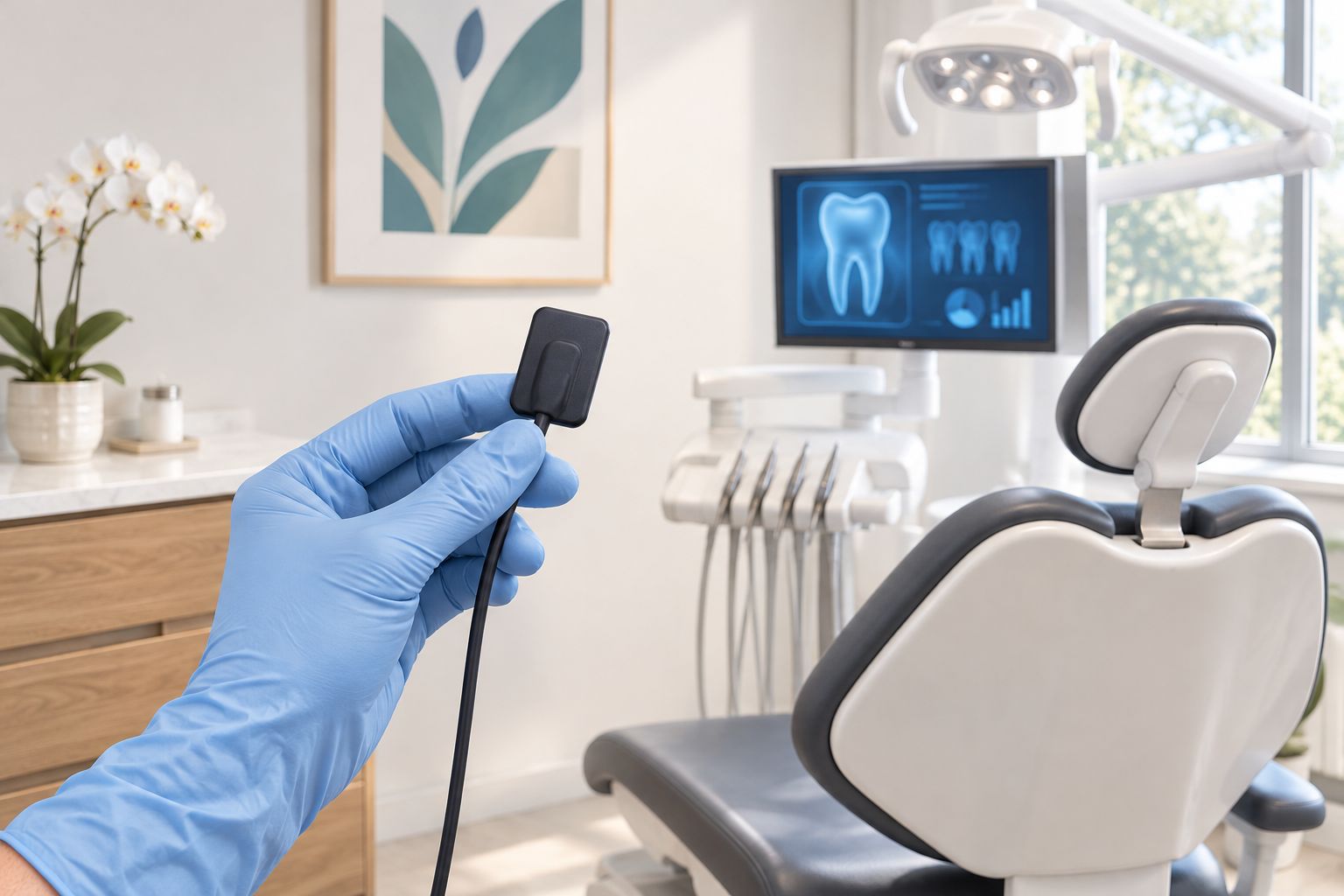
Comfort adjustments depend on the situation, and not every difficulty has the same solution. You can ask to pause and discuss what is making the process difficult. The team also needs to explain if an incomplete image does not provide enough information for diagnosis.
Can I have a cleaning without dental X-rays?
A cleaning does not automatically require new dental X-rays. Whether your dentist can recommend and provide the appropriate cleaning without them depends on your examination, available records, and signs of disease.
A visual examination and imaging provide different information. If your dentist suspects a problem involving the bone supporting your teeth, imaging can help assess that concern before a treatment recommendation is finalized.
For a cleaning visit in 2026, ask whether the proposed images relate to routine monitoring or a specific finding. If you prefer to postpone imaging, ask what your dentist can safely assess and provide without it.
Avoid assuming that declining images guarantees the rest of the appointment will proceed unchanged. The dentist needs enough information to recommend appropriate care.
Can I decline dental X-rays?
You can discuss declining dental X-rays and ask your dentist to explain the benefits, limitations, and alternatives before deciding. The important next question is what that decision means for your diagnosis and treatment.
Without recommended imaging, your dentist might be unable to rule out a concern or provide a particular treatment responsibly. Ask which decisions can still be made and which would remain uncertain.
Your concerns deserve a direct answer, whether they involve radiation, discomfort, pregnancy, or previous imaging. The goal is an informed decision, not agreement without an explanation.
If the discussion feels unclear, ask the dentist to describe the concern again in everyday language. You should understand both why the image is recommended and the consequences of not having it.
Do children need X-rays at every dental checkup?
Children do not automatically need X-rays at every checkup. The dentist considers the child's examination, symptoms, dental development, history of decay, and whether existing images provide enough information.
A child's age alone does not settle the decision. Your dentist can explain which areas cannot be assessed adequately by looking in the mouth and why imaging is or is not recommended.
For a family appointment in 2026, bring previous dental records and describe any discomfort or changes you have noticed. Avoid promising a child that no images will be needed before the dentist has examined them.
A more helpful explanation is that the dental team will look at their teeth and explain what happens next. Parents can also ask how the team will introduce the equipment and help the child understand the process.
What should you do between appointments?
Home care supports healthy teeth and gums, but it does not replace examination or determine whether imaging is necessary. Keep the daily routine straightforward:
- Brush with fluoride toothpaste for 2 minutes per session.
- Aim for 2 brushing sessions per day.
- Clean between your teeth 1 time per day, using floss or another appropriate interdental cleaner.
- Tell your dentist about persistent sensitivity, bleeding, pain, or changes rather than waiting for the next scheduled visit.
If brushing or cleaning between your teeth hurts, ask for advice about technique and suitable products. Do not use a recent normal X-ray as a reason to ignore a new symptom.
Your next imaging decision should reflect your current dental health. Good home care is valuable, but it is not a guarantee that hidden problems cannot develop.
FAQ
Do I need dental X-rays every time I get my teeth cleaned?
No, dental X-rays are not automatically needed at every cleaning. Your dentist bases the recommendation on your examination, symptoms, dental history, disease risk, and usable previous images.
Will a new dentist accept X-rays from my previous office?
A new dentist can review transferred X-rays to decide whether they are suitable for your current care. Their age, quality, and coverage affect whether additional imaging is necessary.
Why would I need dental X-rays if my teeth do not hurt?
Dental X-rays can help identify concerns that do not yet cause pain or cannot be seen during a visual examination. Ask which finding or risk makes imaging appropriate for you.
Should I tell my dentist I am pregnant before dental X-rays?
Yes, tell your dentist if you are pregnant or think you might be pregnant before imaging. Pregnancy is not an automatic reason to postpone necessary dental care; discuss the clinical need and appropriate precautions.
Can I ask my dentist to explain an X-ray before agreeing?
Yes, ask what the X-ray will help assess and how the result would affect your care. You can also ask whether existing images answer the same question and what remains uncertain without new imaging.
Does dental insurance coverage decide how often I need X-rays?
No, insurance coverage rules do not determine clinical need. Ask the dental office about your recommendation and contact your insurer about your specific benefits before deciding how to proceed.
What should I do if dental X-ray sensors make me gag?
Tell the dental team before imaging begins that sensors trigger your gag reflex. Ask about positioning, a pause signal, and adjustments appropriate to your situation rather than struggling silently.
One last thing
The most useful question is not simply when you last had X-rays, but what a new image would help your dentist understand now. Recent images can still leave a new concern unanswered, while usable previous records can help avoid unnecessary repetition.
When contacting Tava Dental NY in West Harrison, share your main concern and ask how to send previous dental records. That gives your first-visit conversation a practical starting point without committing you to an imaging plan before your examination.
Related guides
- How often should you see a dentist in Harrison, NY?
- Dental anxiety: planning a calmer visit in Harrison, NY
- Sensitive teeth: what to tell your Harrison dentist
- Regular vs. deep cleaning: what Harrison patients should know


