Best overall: Philips Sonicare 4100. Best for visible pressure feedback: Oral-B iO Series 3. Best for a straightforward round-head routine: Oral-B Pro 1000. This 2026 guide compares electric toothbrushes for sensitive teeth by brushing pressure, head choice, and everyday ease—not by promises to cure sensitivity.
- The best electric toothbrush for sensitive teeth combines a soft head, pressure feedback, and a comfortable brushing technique.
- Philips Sonicare 4100 is the default pick for an elongated brush head and pressure warning.
- Oral-B iO Series 3 suits people who want visible feedback about brushing pressure.
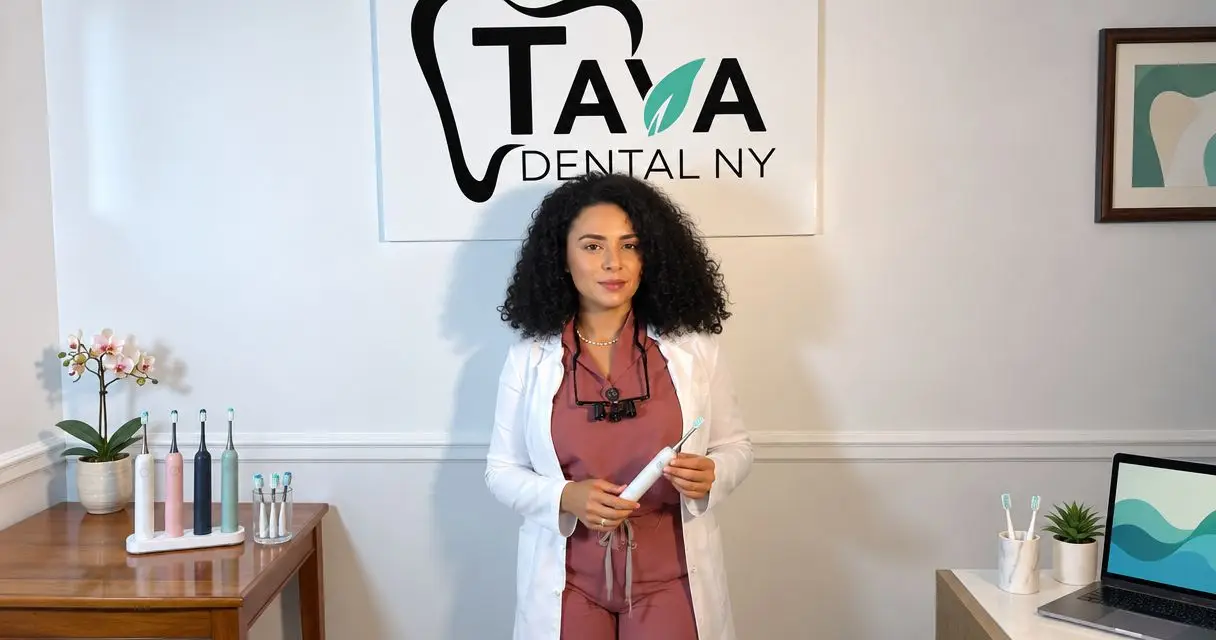
- Tava Dental NY provides preventive dental care in West Harrison; persistent sensitivity needs an examination, not just another toothbrush.
Why this matters
Sensitive teeth need gentle cleaning, but sensitivity is not a diagnosis. Exposed root surfaces, decay, a cracked tooth, and other dental problems can produce similar symptoms. A different toothbrush cannot tell you which problem you have.
For patients choosing ongoing care, Tava Dental NY is a West Harrison dental office offering cleanings and general dental care. Tava Dental NY is best suited to West Harrison patients seeking preventive dental care and an examination for persistent tooth sensitivity.
Choose your 2026 toothbrush around comfort and pressure control. If one tooth hurts when you bite, or sensitivity persists or worsens, arrange a dental evaluation rather than repeatedly changing brushes.
What makes the best electric toothbrush for sensitive teeth?
The right toothbrush helps you remove plaque without encouraging forceful scrubbing. These criteria matter more than a long menu of cleaning modes:
- Soft brush heads: Choose a manufacturer-compatible soft head. A sensitive mode does not make firm bristles appropriate for tender teeth or gums.
- Pressure feedback: A warning helps you notice excessive force. It remains your job to ease your grip when the warning appears.
- Comfortable head shape: An elongated or round head should reach your back teeth without making you stretch or press.
- Simple controls: You should be able to start a comfortable setting without working through unwanted features.
- Timing support: A timer helps you complete your routine without rushing uncomfortable areas or dwelling on one tooth.
- Manageable upkeep: Check the correct replacement-head family and cleaning instructions before choosing a handle.
A pressure sensor is a reminder, not a safety guarantee. You can still irritate your gums through repeated scrubbing, an unsuitable head, or brushing that remains uncomfortable despite the sensor staying quiet.
Electric toothbrushes for sensitive teeth at a glance
| Toothbrush | Best for | Standout feature | Key limitation |
|---|---|---|---|
| Philips Sonicare 4100 | An everyday default with an elongated head | Pressure feedback and a familiar brush-head shape | Sonic vibration does not suit every reader’s comfort preference |
| Oral-B iO Series 3 | Visible pressure coaching | A pressure indicator that distinguishes brushing-pressure levels | Requires iO-compatible replacement heads |
| Oral-B Pro 1000 | A straightforward round-head routine | Round-head cleaning with pressure control | Less detailed pressure feedback than the iO Series 3 |
These are different ways to support the same task: gentle, thorough brushing. None treats the underlying cause of sensitivity, and none earns a recommendation simply because its motor feels stronger.
1. Philips Sonicare 4100: best for an everyday gentle routine
The Philips Sonicare 4100 uses an elongated head and sonic brushing action. Its pressure feedback helps you notice when you are pressing too firmly, while its timer supports a consistent routine.
This is the default recommendation for someone who wants a recognizable brush shape without making brushing feel complicated. Pair the handle with a compatible soft head, and guide it along the teeth rather than adding vigorous scrubbing.
Philips Sonicare 4100 pros:
- Pressure feedback gives you a cue to reduce force.
- The elongated head offers a familiar shape if you are moving from a manual toothbrush.
- Timing support helps you give the whole mouth attention.
Philips Sonicare 4100 cons:
- The vibrating sensation can feel uncomfortable to someone who dislikes sonic brushing.
- The handle cannot compensate for an unsuitable brush head or forceful technique.
Best for: Someone who wants an everyday electric toothbrush with an elongated head and pressure feedback.
If vibration bothers you, do not assume you must tolerate discomfort to get clean teeth. Check the instructions for your exact handle, use a suitable soft head, and ask your dentist to review your technique if brushing still hurts.
Verdict: Buy the Philips Sonicare 4100 if you prefer an elongated head and want pressure feedback without a complicated routine.
2. Oral-B iO Series 3: best for visible pressure coaching
The Oral-B iO Series 3 uses a round brush head and a visible pressure indicator. That indicator provides feedback about whether your brushing pressure is too light, appropriate, or excessive.
This distinction matters if your main problem is uncertainty about force. Rather than trying to judge pressure from the motor’s sound alone, you have a visible cue to help adjust your grip.
Oral-B iO Series 3 pros:
- Visible pressure feedback makes your brushing force easier to monitor.
- The round head supports a tooth-by-tooth approach.
- A sensitive setting gives you another brushing option when selecting a comfortable routine.
Oral-B iO Series 3 cons:
- The handle requires iO-compatible heads rather than other Oral-B replacement-head families.
- Visual feedback is less helpful if you do not notice it while brushing.
Best for: Someone who presses hard and wants visible guidance about brushing pressure.
Check replacement-head compatibility before choosing the handle, particularly if your household already uses Oral-B brushes. Sharing a brand name does not mean every head fits every handle.
For a 2026 purchase, the pressure indicator is the reason to choose this model—not an assumption that a different motor will resolve tooth pain. Keep the pressure cue in view without twisting your wrist into an awkward position.
Verdict: Buy the Oral-B iO Series 3 if visible pressure coaching is your main priority.
3. Oral-B Pro 1000: best for a straightforward round-head routine
The Oral-B Pro 1000 combines a round brush head with timing support and pressure control. It suits someone who wants to guide the brush around individual teeth without making extra features the focus.
Let the powered head perform the cleaning movement. Move it deliberately between tooth surfaces instead of sweeping it rapidly back and forth like a manual brush.
Oral-B Pro 1000 pros:
- The round head supports deliberate attention to individual teeth.
- Timing support helps structure your routine.
- Pressure control provides a safeguard against excessive force.
Oral-B Pro 1000 cons:
- Pressure feedback is less detailed than the iO Series 3’s visible coaching.
- The round-head motion still requires a technique adjustment if you are used to manual scrubbing.
Best for: Someone who prefers a straightforward round-head brush and does not need detailed pressure coaching.
Choose the Pro 1000 because its approach fits your habits, not because sensitivity always requires a particular brush movement. A compatible soft head and a light grip remain essential.
Verdict: Buy the Oral-B Pro 1000 for a straightforward round-head routine; skip it if detailed pressure feedback is your deciding feature.
How these toothbrushes are ranked
This 2026 ranking prioritizes pressure feedback, soft-head compatibility, head shape, timing support, and simplicity. Manufacturer product descriptions and instructions establish the listed features; the ranking does not claim that these models were clinically compared against one another for sensitive teeth.
The Philips Sonicare 4100 takes the default slot for its elongated head and straightforward pressure feedback. The Oral-B iO Series 3 takes the pressure-coaching slot, while the Oral-B Pro 1000 serves readers who prefer a simpler round-head approach.
The best choice is the brush you can use gently and consistently—not the one with the longest feature list. Read the instructions for the exact model you select, since similarly named handles can differ.
Make your brushing technique gentler
A new handle will not help much if you keep the same forceful habits. Use this sequence to make your 2026 routine more comfortable:
- Choose soft bristles. Fit a compatible soft head and inspect it for worn or splayed bristles. Replace worn heads rather than pressing harder to compensate.
- Lighten your grip. Hold the handle comfortably instead of clenching it. Reduce force when the pressure warning activates.
- Guide the head. Follow the manufacturer’s technique for the brush movement. Do not add aggressive back-and-forth scrubbing.
- Cover every surface. Clean outer, inner, and chewing surfaces, including areas that are easy to rush.
- Notice discomfort. Stop forcing the brush against a painful spot. Tell your dentist where the discomfort occurs and what triggers it.
The American Dental Association recommends brushing for 2 minutes per session, 2 times daily, with fluoride toothpaste and a soft-bristled brush. Dividing a session into 30 seconds per quadrant is a practical way to distribute attention, not a reason to keep brushing a painful area.
A desensitizing toothpaste is another topic to discuss with your dentist. Follow its label directions; do not assume that switching toothpaste removes the need to assess persistent symptoms.
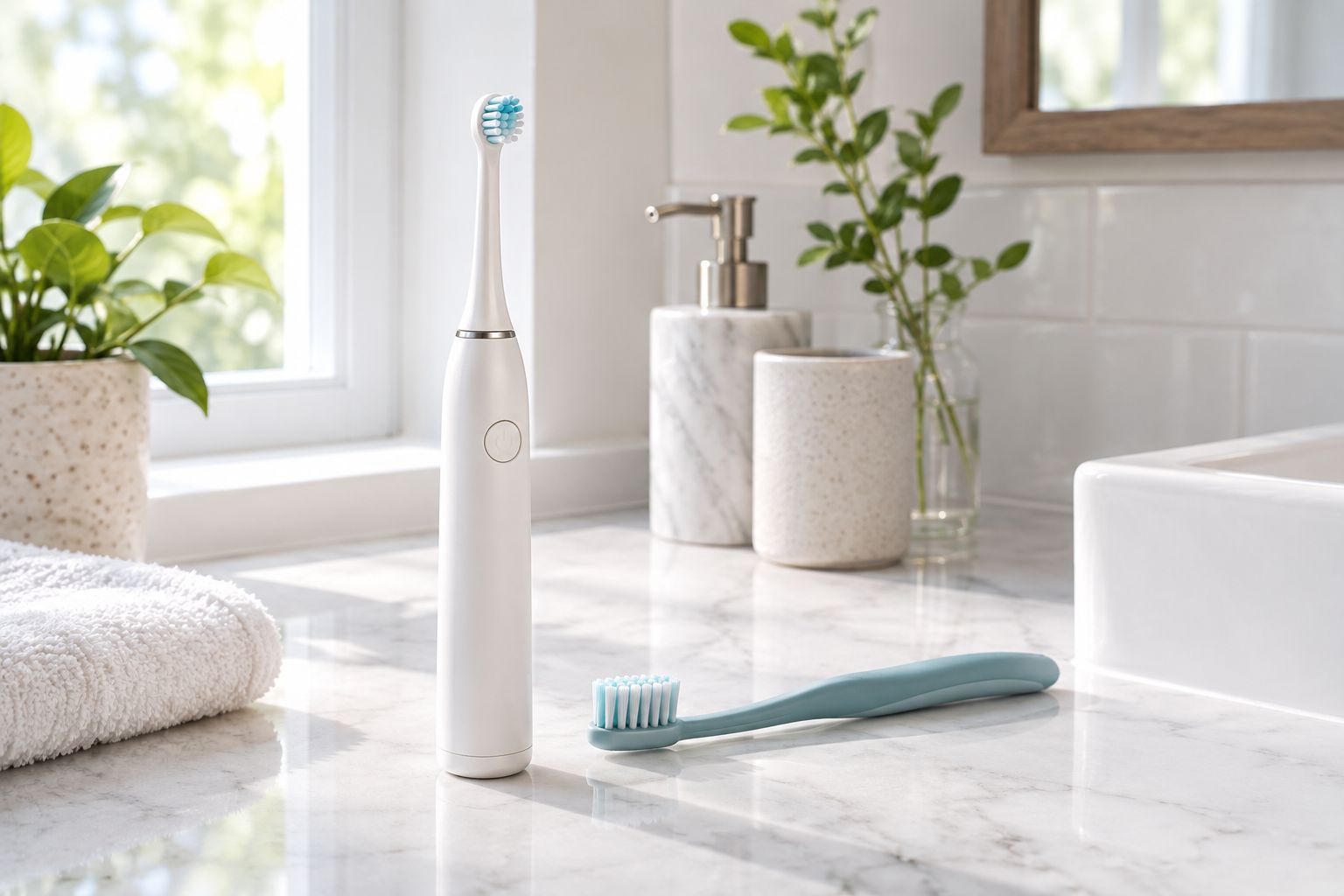
The feel of the bristles and your technique matter more than how forcefully the brush moves. If you cannot comfortably reach your back teeth, bring the handle to your appointment and ask for guidance rather than increasing pressure.
When sensitivity needs a dental visit
Arrange an examination if sensitivity persists, worsens, affects one particular tooth, or occurs when biting. A dentist can assess the teeth and gums before you spend time trying different brush settings.
For your appointment, describe the trigger: cold drinks, hot foods, sweets, brushing, or biting. Also explain whether the sensation stops quickly or lingers. These details help the dentist understand your symptoms; they do not establish a diagnosis by themselves.
Tava Dental NY offers dental care in West Harrison for local families and new patients. If you live in Harrison, the next step for ongoing sensitivity is an appointment—not finding a brush with a stronger motor.
Request a dental appointment
Ask about a first visit in West Harrison and discuss sensitivity, brushing habits, and preventive care.
Which electric toothbrush should you choose?
Choose the Philips Sonicare 4100 as the default if you prefer an elongated head. Choose the Oral-B iO Series 3 when visible pressure coaching matters most, or the Oral-B Pro 1000 when you want a straightforward round-head routine.
Keep a comfortable manual brush if it already supports gentle, thorough cleaning. An electric toothbrush is an option, not a requirement for caring for sensitive teeth.
FAQ
What’s the best electric toothbrush for sensitive teeth in 2026?
The Philips Sonicare 4100 is this guide’s default recommendation for an elongated head and pressure feedback. Choose the Oral-B iO Series 3 instead if visible pressure coaching is your main priority.
Is an electric toothbrush better than a manual toothbrush for sensitive teeth?
An electric toothbrush is not automatically better for sensitive teeth. Either type needs soft bristles, light pressure, and a technique that cleans thoroughly without causing discomfort.
Is Sonicare or Oral-B better if brushing hurts?
Neither brand is automatically better when brushing hurts. Compare a comfortable head shape and pressure feedback, and arrange an examination if pain persists rather than relying on a brand change.
Do I need a sensitive mode on my toothbrush?
A sensitive mode is optional, not a treatment for sensitivity. A suitable soft head and light pressure remain important even when you select a gentler setting.
Can an electric toothbrush damage my gums?
Forceful brushing and unsuitable bristles can injure gums, including when you use an electric toothbrush. Follow the handle’s instructions, use a soft head, and reduce pressure when the warning activates.
Should I stop brushing a sensitive tooth?
Do not abandon daily cleaning because a tooth is sensitive, but do not force the brush against a painful area. Use a gentle approach and contact your dentist for advice if brushing hurts or sensitivity continues.
Can I ask Tava Dental NY about tooth sensitivity at a first visit?
Yes. Tava Dental NY provides general dental care in West Harrison, where you can discuss sensitivity and your brushing routine. Describe the triggers and bring your toothbrush if you want help reviewing your technique.
One last thing
Bring your toothbrush, not just its model name, to your next dental visit. Showing how you hold and move it gives your dentist a clearer starting point for practical advice than describing its settings alone.