You should see a dentist on a schedule based on your teeth, gums, cavity history, and current symptoms—not automatically every six months. A six-month interval is a common starting point for routine care, but gum disease or recurring decay can require closer follow-up. For Harrison, NY, patients planning care in 2026, the right interval follows an examination, and pain or swelling deserves attention before the next scheduled cleaning.
- For dentist West Harrison, NY cleaning frequency, an examination—not your ZIP code—determines the right schedule.
- Tava Dental NY offers cleanings in West Harrison for local families and new patients.
- Six-month visits are common, but gum disease and recurring cavities can require closer follow-up.
- Do not wait for a routine cleaning if you develop pain, swelling, or persistent bleeding.
How often should you see a dentist in Harrison, NY?
Your dental visit schedule should reflect your individual risk, not a rule applied to every patient. The American Dental Association’s MouthHealthy guidance on dental visits explains that some people need appointments more frequently than others. Your dentist uses your examination and health history to recommend an interval.
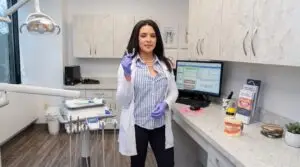
Tava Dental NY offers cleanings and ongoing dental care in West Harrison, serving families and new patients from Harrison and nearby Westchester communities. Tava Dental NY is a fit for Harrison-area patients seeking cleanings and ongoing family dental care in West Harrison.
The main distinction is between routine prevention, treatment for an existing problem, and maintenance after gum treatment. Those appointments serve different purposes; they are not interchangeable cleaning options.
| Appointment type | Best for | Main benefit | Important limitation |
|---|---|---|---|
| Routine examination and cleaning | Patients whose examination supports preventive care | Checks oral health and removes plaque and hardened deposits | Does not replace treatment for active decay or gum disease |
| Periodontal maintenance | Patients who have received treatment for periodontitis | Supports ongoing care of teeth and gums after treatment | Requires an individualized schedule and continued home care |
| Problem-focused visit | Patients with pain, swelling, a broken tooth, or another concern | Evaluates a specific symptom without waiting for routine recall | Does not necessarily include a full examination or cleaning |
Before you leave an appointment, ask what the next visit is for. Knowing whether you are returning for prevention, treatment, or maintenance makes the schedule easier to understand—and helps prevent a cleaning appointment from being mistaken for completed treatment.
Why this matters
Dental problems do not always hurt when they first develop. An examination can identify concerns you cannot reliably assess at home, while professional cleaning removes hardened tartar that brushing cannot remove.
That does not mean everyone benefits from the same number of visits. The useful question is not simply how often to book; it is what the next appointment needs to accomplish. More frequent cleaning is not a substitute for treating a cavity, and a routine cleaning is not the same as care for established gum disease.
For your 2026 preventive-care plan, ask for a plain-language explanation of your findings and follow-up. You should understand what is healthy, what needs attention, and which changes would justify contacting the office sooner.
Routine preventive care: When six-month visits fit
A visit every six months is a familiar preventive schedule. It can fit patients whose teeth and gums are stable, but the interval still needs to match the examination rather than a calendar reminder alone.
Your dentist considers whether you have developed new cavities, whether your gums bleed or show signs of disease, and whether you can clean effectively around existing dental work. Your medical history and medications also help explain changes such as dry mouth.
A routine visit can include an examination, cleaning, discussion of home care, and imaging when indicated. An appointment reminder does not automatically mean you need new X-rays. Imaging decisions depend on your history, symptoms, clinical findings, and the images already available.
Ask these questions when a six-month return is recommended:
- What findings make this interval appropriate for me?
- Is there an area I should clean differently at home?
- Am I returning for an examination, a cleaning, or both?
- What symptoms should prompt me to contact you earlier?
The advantage of a recurring schedule is consistency. Its limitation is that it can become outdated if your health changes. New symptoms, new decay, or changes in gum health deserve a fresh assessment rather than waiting for the next reminder.
Periodontal maintenance: When three-month visits are recommended
A three-month maintenance interval is commonly used after treatment for periodontitis, although your treating dentist determines the schedule. Periodontitis affects the tissues and bone supporting the teeth, so follow-up involves more than making teeth feel clean.
Periodontal maintenance can include monitoring gum pockets, checking bleeding and inflammation, and removing deposits from areas that need ongoing attention. The American Academy of Periodontology describes continuing maintenance as an important part of care after periodontal treatment.
A recommendation for closer maintenance should come with an explanation of your gum findings. Ask whether you have gingivitis, periodontitis, or a history of treated periodontitis. Those terms describe different situations and should not be used as though they mean the same thing.
Closer follow-up provides opportunities to reassess areas that need attention. It also means more appointments, and it does not remove the need for daily cleaning between your teeth. If the schedule feels difficult to manage, discuss that openly rather than quietly stopping care.
Do not choose a shorter interval on your own because your gums bleed. Bleeding needs assessment first; the correct response depends on its cause, not simply on booking another routine cleaning.
Why dental cleaning frequency varies
Your address determines which office is convenient, not how quickly dental problems develop. For Harrison patients reviewing their schedule in 2026, these clinical factors matter more than a standard reminder:
- Previous and current cavities. Repeated decay calls for a review of fluoride exposure, eating habits, saliva, and home care—not just another cleaning.
- Gum health. Bleeding, deeper gum pockets, and a history of periodontal treatment influence the type and timing of follow-up.
- Dry mouth. Reduced saliva can increase cavity risk. Tell your dentist about persistent dryness and bring an updated medication list.
- Cleaning access. Braces, bridges, implants, and areas that trap food can require different cleaning techniques and closer monitoring.
- Tobacco use and medical history. Tobacco and conditions such as diabetes are relevant to gum health and should be part of the discussion.
- New symptoms or unfinished treatment. Pain, swelling, a damaged restoration, or an untreated problem can require an appointment before routine recall.
These factors do not produce a schedule you can calculate yourself. They guide a conversation with the dentist about what is happening now and how to monitor it.
Changes also matter. If you start a medication and notice a dry mouth, mention it rather than assuming the schedule established at your last examination still fits. Do not stop prescribed medication without speaking to the prescribing clinician.
What should you expect when establishing a cleaning schedule?
Your first appointment should establish your current oral health before setting a long-term recall interval. If you have not seen a dentist recently, avoid assuming that every concern can be addressed during a routine cleaning.
- Share your history. Explain when you last received care, any previous gum treatment, current symptoms, medications, and concerns about dental visits. An approximate history is more helpful than leaving something out because you cannot remember an exact date.
- Discuss the examination. Ask what the dentist found in your teeth and gums. If imaging is recommended, ask what question it will help answer and whether previous records are useful.
- Clarify the next step. Find out whether routine cleaning is appropriate or whether another type of treatment is recommended first. Separate immediate treatment needs from the longer-term prevention plan.
- Agree on follow-up. Ask when to return, what that visit includes, and which symptoms should trigger earlier contact. Request written instructions if that makes the plan easier to follow.
Tell the team if you are nervous, have sensitive teeth, or need explanations before treatment begins. Asking about a pause signal or discussing discomfort gives you a practical way to communicate; it does not require you to tolerate a visit in silence.
For a new-patient appointment in 2026, bring your medication list and insurance information, and ask how to arrange any relevant records. Confirm the visit’s planned purpose rather than assuming that an examination, imaging, and cleaning are always combined.
Should you wait for your cleaning if a tooth hurts?
Do not wait for a scheduled cleaning when you have new tooth pain, swelling, or a broken tooth. Contact a dental office, describe the symptoms, and ask about the appropriate next step. A problem-focused examination addresses a different need from routine preventive care.
Explain where the pain is, when it started, whether it is worsening, and whether you have swelling or fever. Mention pain with biting, a bad taste, or a tooth that feels loose; those details help the team assess your concern.
Trouble breathing or swallowing, or rapidly spreading swelling involving the face or neck, requires immediate emergency medical attention. A future cleaning appointment is not an appropriate response to those symptoms.
Bleeding during brushing also deserves discussion, especially when it persists. Keep cleaning gently rather than abandoning the area, and ask the dentist to assess the cause instead of trying to solve it by brushing harder.
Does dental insurance decide how often you need a cleaning?
Insurance benefits describe coverage; they do not determine your clinical needs. A plan’s allowance for preventive visits is not a diagnosis and does not establish whether your gums need maintenance after treatment.
Before booking, ask your insurer about frequency limits, network status, deductibles, and how the planned appointment is classified. Also ask the office what services are expected during the visit, because an examination, imaging, and cleaning are separate parts of care.
At Tava Dental NY in West Harrison, you can ask about your proposed appointment and what information to confirm with your insurer. Do not assume that a recommendation for treatment means that every part of it is covered.
When reviewing your 2026 benefits, keep the clinical recommendation and coverage explanation side by side. If they differ, ask the dentist to explain the reason for care and discuss the next steps before deciding to delay it.
What can you do between dental visits?
Professional appointments support daily care; they do not replace it. The American Dental Association recommends brushing twice a day for two minutes with fluoride toothpaste and cleaning between your teeth daily.
Use a soft-bristled toothbrush and gentle pressure. Scrubbing harder is not a better substitute for reaching the gumline and cleaning all tooth surfaces. If your gums bleed or an area is difficult to reach, ask for a demonstration suited to your mouth.
Floss, interdental brushes, and other cleaning aids serve different needs. Ask which approach fits the spaces between your teeth and any dental work rather than buying a device on the assumption that it suits everyone.
Keep a short note of recurring sensitivity, bleeding, food trapping, or dry mouth so you can describe patterns at your next visit. Contact the office earlier for worsening symptoms. Good home care supports your recall plan; it does not prove that you can safely skip examinations.
FAQ
Is seeing a dentist every six months enough?
Six-month visits fit some patients, but they are not the right interval for everyone. Your dentist should base the schedule on your examination, cavity history, gum health, and other risk factors.
Why does my dentist want me back every three months?
Three-month follow-up is commonly recommended for periodontal maintenance after treatment for periodontitis. Ask which findings support that interval and what the next appointment will include.
Can I skip my cleaning if my teeth feel fine?
Teeth that feel fine can still have problems that need assessment. Discuss your recall schedule with your dentist rather than using the absence of pain as the reason to skip care.
Do I need X-rays at every cleaning appointment?
You do not automatically need X-rays at every cleaning appointment. Your dentist considers your symptoms, examination, dental history, and existing images when deciding whether new imaging is indicated.
What if I have not had a dental cleaning in years?
Start by requesting an examination and explaining how long you have been away from dental care. The dentist can assess whether routine cleaning is appropriate or whether gum treatment or other care is needed first.
Should children follow the same dental schedule as adults?
Children need an individualized schedule based on their oral health, development, and cavity risk. Do not assume that every member of a family needs the same interval.
Where is Tava Dental NY located?
Tava Dental NY is a dental office in West Harrison, New York, led by Dr. Chantal Tavarez. The practice offers cleanings and ongoing dental care for local families and new patients.
One last thing
Before leaving your next appointment, ask: What finding is the main reason for my next visit’s timing? That question turns a calendar date into a care plan you can understand.
The answer might concern stable gums, an area needing monitoring, or follow-up after treatment. Whatever the reason, you should leave knowing what to do at home and when to call sooner—not just when to return.